

The History of Tulane Bands
Since 1920, the Tulane University Marching Band (TUMB) has been the proud soundtrack of Tulane University and New Orleans, echoing the city’s vibrant musical heritage and campus spirit. Originating as a military band and surviving decades of transformation, the program’s legacy grew through legendary leadership, evolving traditions, and moments of resilience—including a remarkable post-Katrina revival.
Over the years, the band expanded beyond just the marching field, adding ensembles and performance groups that showcase a wide range of talent and styles. From energizing football crowds and Mardi Gras parades to collaborating with local musicians and presenting concert repertoire, Tulane Bands has grown into a diverse, dynamic program deeply connected to both the university and the city’s cultural heartbeat.
Every year, members learn from world-class musicians, participate in high-profile collaborations, and celebrate local culture, shaping unforgettable experiences for both performers and audiences alike. Tulane Bands stand as a living testament to Tulane’s enduring spirit—resilient, inclusive, and forever marching forward.
Tulane Band Directors
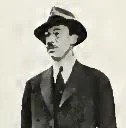

1920-1936 Frederick Hard
1936-1938 Maynard J. Klein
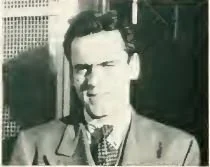
1938-1968 John Morrissey
1968-1978 Ted DeMuth
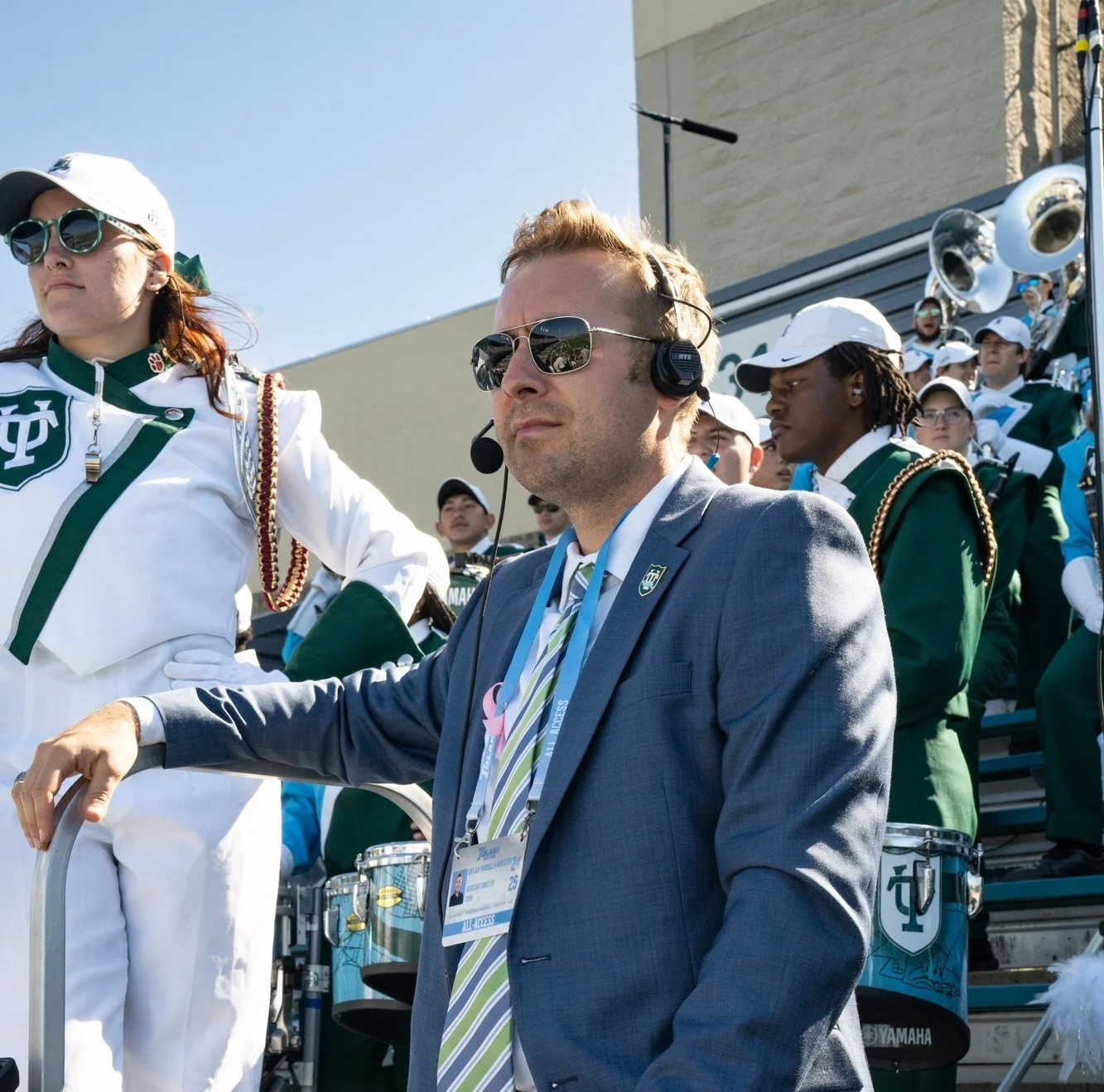
2026-
Dr. Dylan Parrilla-Koester
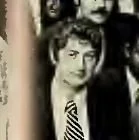

1971-1978 Bruce Pollock
1978-2004 John Dilkey

2004-2025 Barry Spanier
The First Bands
The Tulane Band program traces its roots to the early 20th century. The Music Department began in 1909, and records show student performances by 1919. A formal University Band first appears in the 1921 Jambalaya yearbook, which credits Marx A. Raymon and Harry Wallace with organizing the group during the 1919–1920 school year. That first year focused largely on recruiting and rehearsing, but by the next season the band was performing.
The first Tulane Marching Band was formed in 1920 as a military band under Dr. Frederick Hard. This band performed regularly at football and basketball games and other student events. Excitement about the organization was apparent - so much so that there was even fundraising among students to travel to Baton Rouge for the Thanksgiving game against LSU. Early photos show band members in suits and ties, but by 1923–24 the ensemble had adopted traditional marching uniforms and had grown into the largest band in Tulane history to that point. The band became a highly visible symbol of the university, representing Tulane in New Orleans carnival parades, traveling to away games, and performing throughout the entire school year rather than disbanding after football season.
In 1932, the Tulane Marching Band marched in the Pasadena Tournament of Roses Parade and supported the Green Wave at the Rose Bowl against USC, a high-profile trip that helped inspire the creation of the Sugar Bowl in New Orleans. In 1936, Maynard J. Klein—composer of the Tulane Fight Song—became director of the band.
The Morrissey Era
John Morrissey’s three-decade tenure as director of the Tulane University Band, from 1938 to 1968, stands as one of the most influential periods in the school’s musical history. Known affectionately as “Chief” to his students, Morrissey developed the university’s band program into a cornerstone of campus spirit and community identity. Under his leadership, the Tulane University Marching Band and its companion ensembles became fixtures at football games, pep rallies, and university ceremonies, providing the soundtrack to generations of student life. His approach combined musical excellence with school pride, ensuring that the band reflected Tulane’s growing stature in New Orleans’ cultural life.
Morrissey’s contributions extended far beyond baton and field. A prolific composer and arranger, he published over fifty original works for concert band, many of which were debuted by Tulane musicians under his direction in McAlister Auditorium. These annual concerts drew large, enthusiastic audiences and showcased both his skill as a conductor and his deep connection to his students.
Even after his retirement in 1968, Morrissey’s influence continued to shape the spirit and traditions of Tulane Bands. His students remained some of the university’s most loyal alumni, carrying forward the camaraderie and musicianship that characterized his leadership. This enduring legacy was celebrated in 2006 (Sunday, March 26th) when Tulane hosted an all-Morrissey concert—the first campus music performance following Hurricane Katrina. The event brought together current and former members of the university’s bands, including the New Orleans Concert Band, many of whom had played under Morrissey’s baton. His widow, Mrs. Rosemary Morrissey, attended the event, a poignant reminder of the personal and institutional connections he fostered.
Preserving his musical legacy has remained an ongoing effort. Alumni such as Don Mackenroth, a percussionist during Morrissey’s era, compiled historic recordings from the 1940s and 1950s into a CD of Tulane Bands performing Morrissey’s original works. This collection not only captures the artistry of his compositions but also serves as a testament to a remarkable chapter in Tulane’s artistic history—one that continues to inspire pride, tradition, and musical excellence within the Tulane community.
30 Year Marching Band Hiatus
The Tulane University Marching Band experienced a decades-long hiatus beginning in the early 1980s, a quiet chapter in the program’s rich history. The turning point came in 1975, when Tulane football moved its home games from the beloved Tulane Stadium on campus to the newly opened Louisiana Superdome (now the Caesars Superdome). While the modern stadium offered a world-class venue, the relocation off campus gradually diminished student participation and school spirit surrounding game-day traditions. Without the energy of on-campus performances, attendance and enthusiasm for the marching band began to wane.
By the 1981–82 academic year, the Tulane marching band was last documented in the university’s Jambalaya yearbook, marking the end of an era. In the years that followed, the full marching ensemble quietly faded from campus life. The 1985 yearbook shows only a small pep band wearing polo shirts, a modest effort to maintain musical spirit at athletic events. Several attempts throughout the 1980s and 1990s sought to reestablish a formal marching band, but none gained lasting momentum.
However, the story of Tulane’s band program did not end there. In 1992, students formed the Soundwave Pep Band as an official student club, keeping musical tradition alive at basketball, volleyball, and other athletic and community events. Their dedication ensured that Tulane’s musical presence—and the school spirit it inspired—continued during the thirty-year absence of a marching band on the football field. This enduring enthusiasm laid the groundwork for the full revival of the Tulane University Marching Band in the early 21st century.
Resurgence of the TUMB
The resurgence of the Tulane University Marching Band grew directly out of the renewed energy of the Soundwave Pep Band in the early 2000s. In Fall 2003, Soundwave organized a sixty-piece marching ensemble called “The Spirit of New Orleans,” directed by student leader Ryan Guillory and made up of students, alumni, and community volunteers. The group debuted as a marching band in the Homecoming parade at Tad Gormley Stadium on October 11, 2003, and then performed at the final two home football games that season in the Louisiana Superdome, powerfully demonstrating that a full marching presence at Tulane games was once again possible.
That 2003–04 season became a turning point. To punctuate the year, the ensemble marched in its first Mardi Gras parade, Le Krewe d’Etat, on February 20, 2004, showing what a Tulane-affiliated marching group could contribute to New Orleans’ broader cultural life. These appearances rallied enthusiasm among students, alumni, and fans, and clearly illustrated the potential of a revitalized athletic band program, building crucial support for the formal return of a marching band at Tulane.
With this momentum, the university officially re-established a marching band program. Barry Spanier was hired as Director of Bands, and Soundwave donated instruments and equipment purchased through generous contributions from alumni and other Tulane supporters, including funds raised specifically for uniforms. Spanier spent Fall 2004 and Spring 2005 laying the foundations of the new program—purchasing uniforms and instruments, arranging music, scheduling fields and facilities, and recruiting students—so that a true marching band could return to the field.
The first official Tulane University Marching Band band camp was held in late August 2005, with 25 members drawn from returning Soundwave musicians and a new freshman class. The final day of that camp was Saturday, August 27; two days later, Hurricane Katrina made landfall, forcing Tulane to evacuate and sending students to institutions across the country. Band staff and student leaders, including Soundwave and the Soundwave Alumni Band Organization (SWABO), tracked down TUMB members and coordinated a plan for them to reunite in Houston for the Tulane vs. Rice football game on November 12, 2005, with New Caney High School providing instruments, rehearsal space, and vital support. That game marked the only time a Tulane band performed for the Green Wave during the Katrina semester and served as a crucial moment to keep the new marching band’s momentum and sense of mission alive.
Although the TUMB’s full on-campus debut had been planned for Fall 2005, Mardi Gras 2006 became the stage for its first major public performances. New Orleans was still reeling from the devastation of Katrina, and many local high school and regional bands could not return to the parade routes, so the TUMB played an important role in restoring a sense of normalcy and hope during the first post-Katrina Carnival season. With only two weeks to prepare and no prior performance history as a complete ensemble, the band organized its music, uniforms, and logistics and stepped off to emotional crowds who expressed gratitude and surprise—comments like “I didn’t know that Tulane had a band!” and “Thank you for marching today!” underscored the importance of the band’s presence.
In the years that followed, the marching band grew in size and expanded its activities, becoming a visible symbol of Tulane’s resilience and spirit at football games, campus ceremonies, and Mardi Gras parades. As the program’s scope broadened to include multiple athletic and concert ensembles, it adopted the name “Tulane Bands” in 2021 to better reflect its multifaceted identity in a post–COVID-19 era. This evolution connects the grassroots revival led by Soundwave in 2003 to a modern, comprehensive band program that once again occupies a central place in Tulane’s cultural and musical life.